Exterior Staircases in Laval, Montreal and the North Shore

An outdoor staircase is the first thing visitors use and the first thing to show its age. Paysagement Duguay designs and builds exterior staircases in Laval, Montreal and the North Shore — front entrance stairs, patio stairs, garden steps and landings — in paving stone, natural stone and prefabricated concrete.

Every staircase is built on a base engineered to resist frost heave, because the most common failure of house exterior stairs in Quebec is not wear: it is movement.

Get a estimate

"*" indicates required fields

Drop files here or
Max. file size: 10 MB.
    For files larger than 10MB, send everything directly by email to info@paysagementduguay.ca

      Custom exterior stairs built for your grade

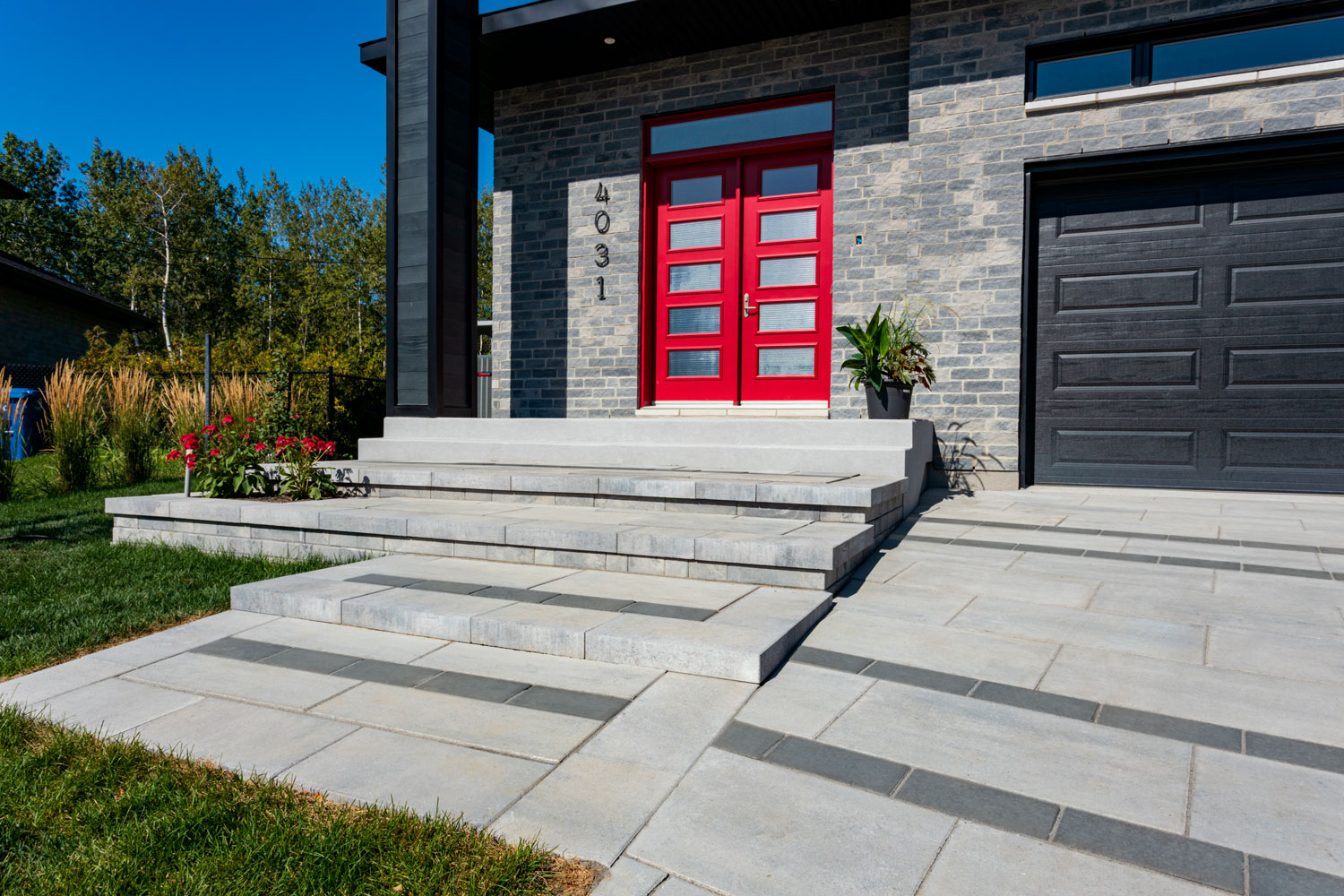
      A paved stone staircase integrates seamlessly with a paving stone walkway or driveway, using the same colour family and format for a continuous look. Natural stone steps — slabs of granite or limestone — give a heavier, more permanent character and suit wooded or heritage properties particularly well.

      Prefabricated concrete stairs

      Prefabricated concrete stairs are cast off-site and installed as a single unit. They are fast to install, cost-effective, and now available in finishes far removed from the grey slab of twenty years ago.
      They are a strong option for a front entrance where the grade is regular and the opening is standard.

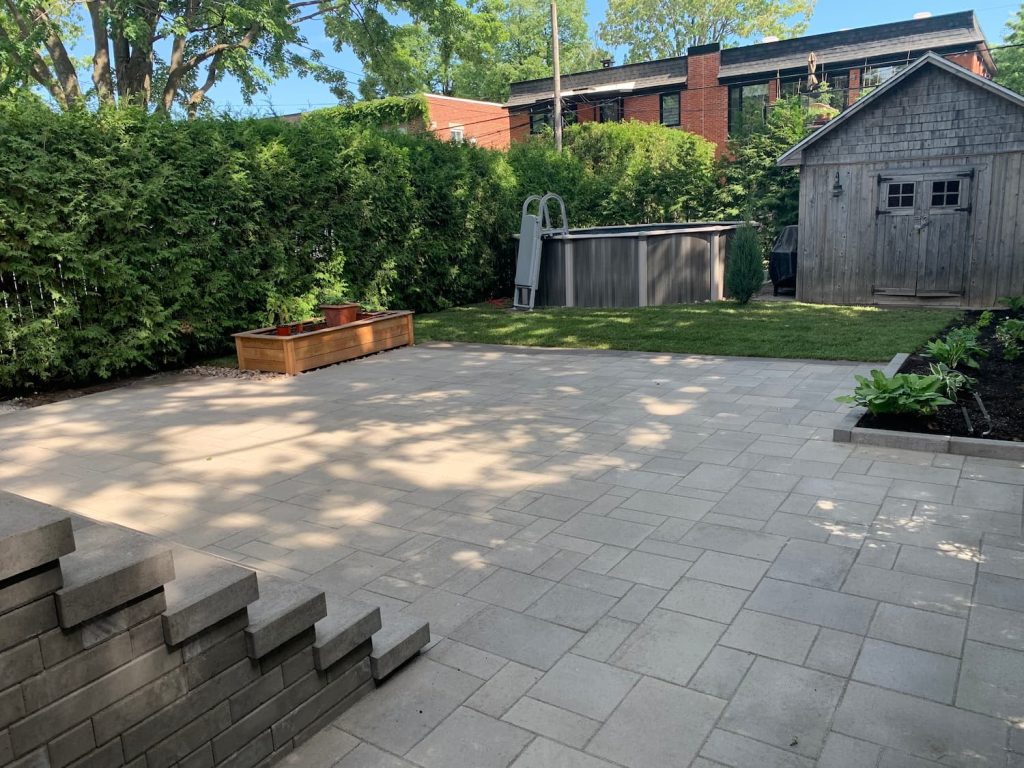
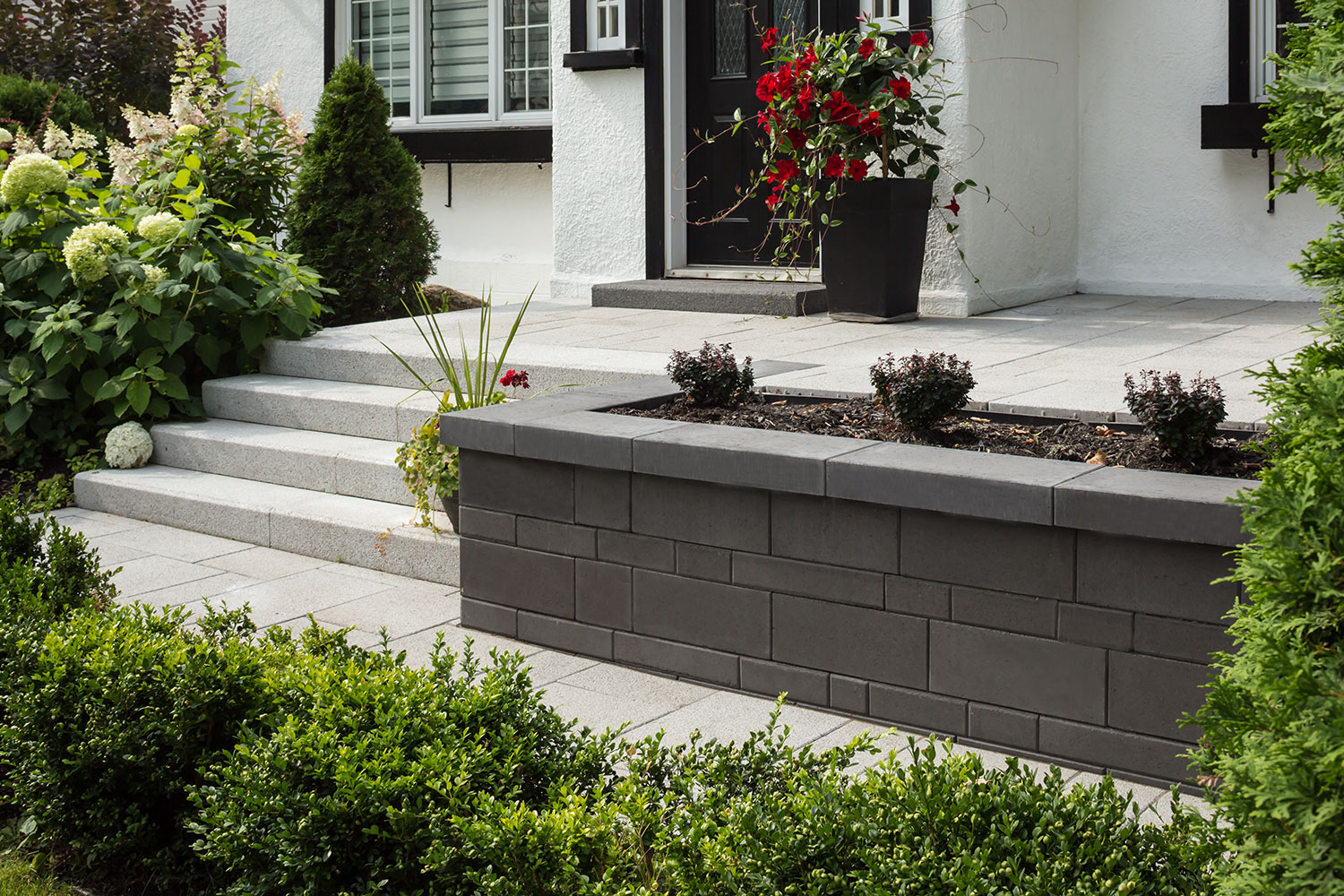
      Exterior staircase in Laval built with paving stones
      Natural stone steps leading to a garden patio

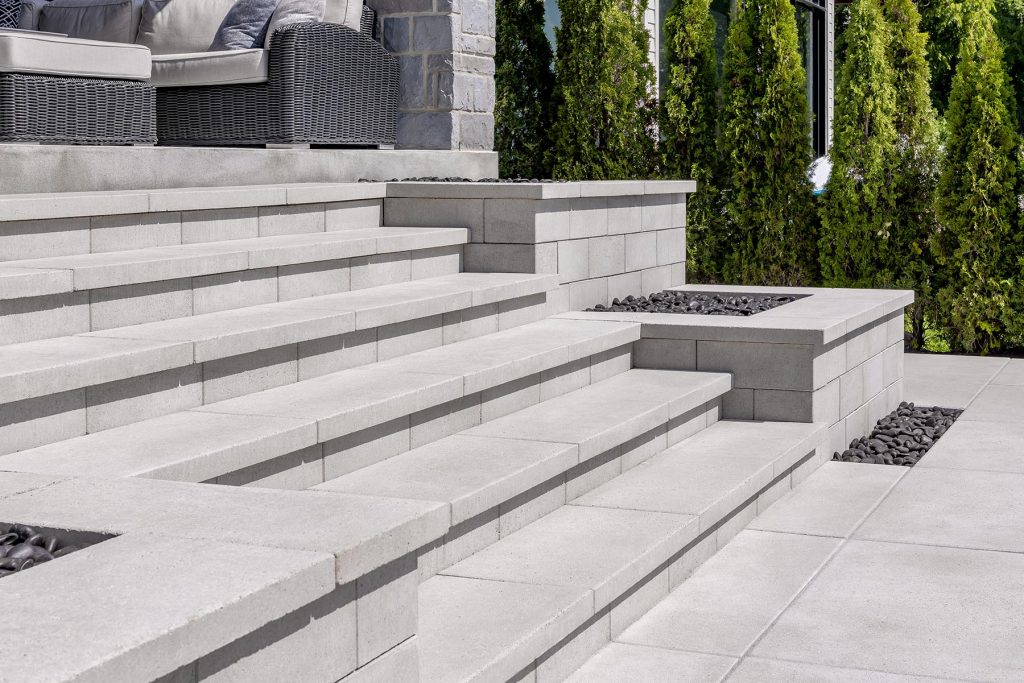
      Monolithic steps in solid blocks

      Monolithic steps are made from solid prefabricated blocks set directly on a structural base, typically ranging from 42 to 60 inches wide.

      Their size and weight give them a strong, grounded presence. This kind of exterior staircase is a natural fit for:

      •  Main or secondary entrances
      •  Significant changes in elevation
      •  Projects where clean lines and a structured look are the goal

      Proper foundation preparation is non-negotiable here. The base has to provide uniform, lasting support year after year.

      Natural stone steps

      Natural stone brings an unmistakable character that blends into the landscape as if it was always there. The raw texture and natural colour variations create a visual continuity with the surrounding environment that other materials simply cannot replicate.

      Each stone is hand-selected and carefully positioned to give you a comfortable, stable step. The weight and thickness of the material demand real precision to get the leveling right.

      This style of outdoor staircase works particularly well on wooded properties or any site where a fluid transition between built structure and natural surroundings is the goal.

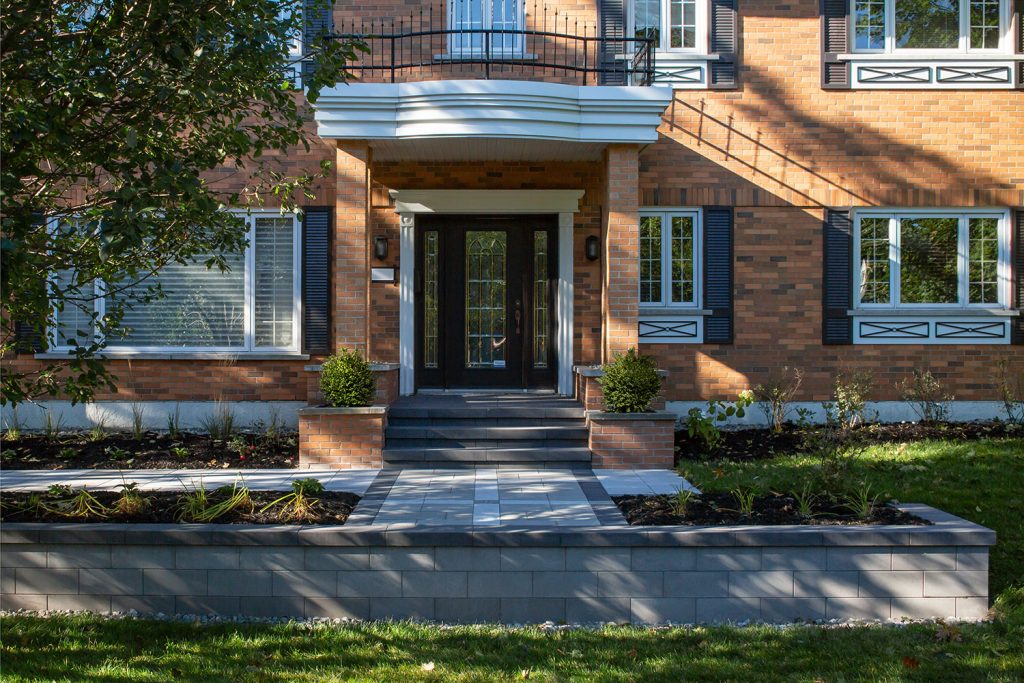
      Prefabricated concrete stairs installed at a house entrance

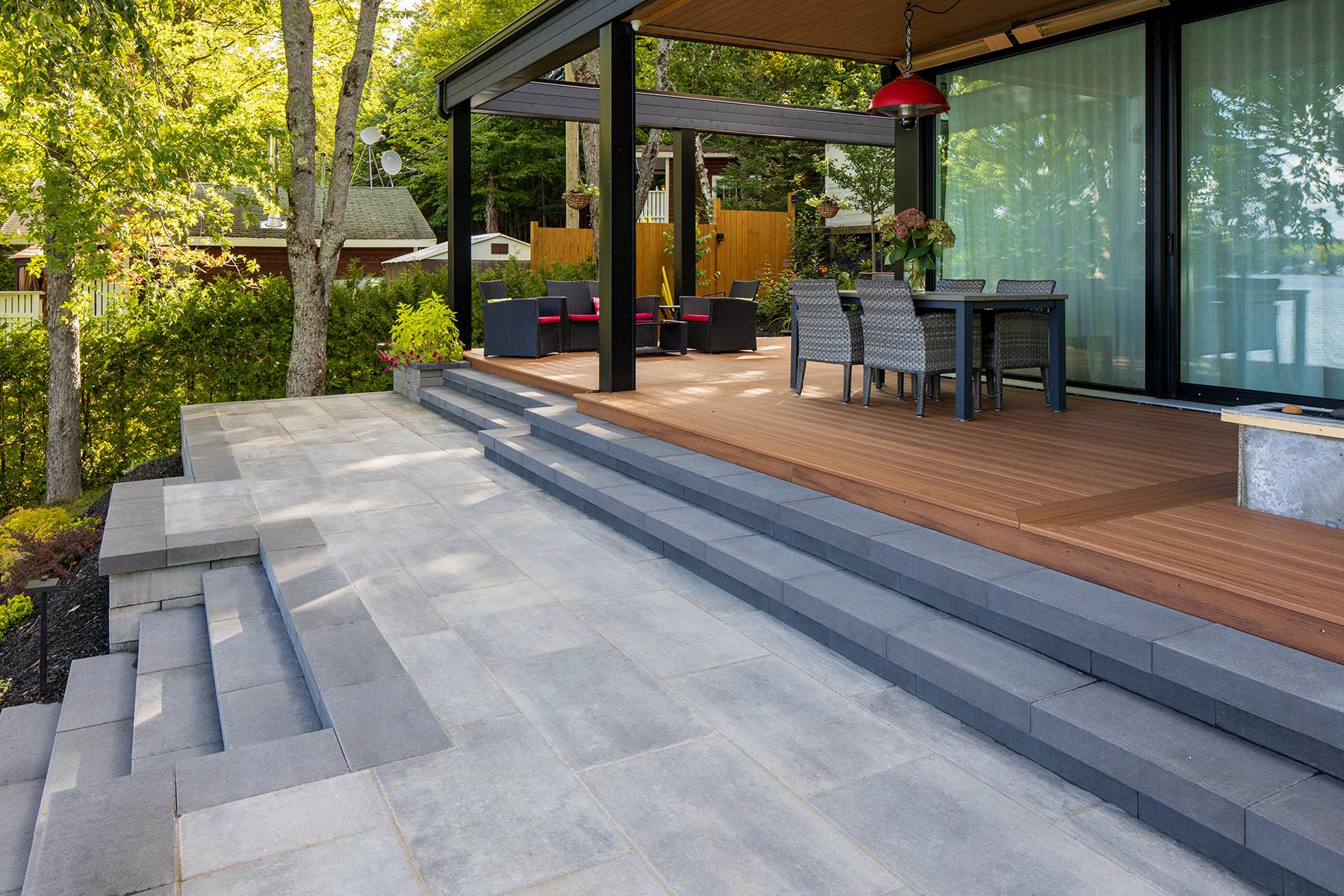
      Patio stairs and garden steps

      Patio stairs connect levels within the yard — from a deck down to a patio, or from a patio to the lawn. Concrete steps for a garden can also be used to make a slope walkable and to slow erosion at the same time. These steps are often built alongside a retaining wall, and designing the two together produces a cleaner result than adding stairs afterwards.

      Staircases and landing installation

      A landing breaks up a long flight, creates a place to set down groceries, and makes the entrance safer in winter. Staircase and landing installation is planned together with railings, lighting and drainage so water never sits on a tread.

      Plan your staircase or landing project

      Whether it is a front entrance, a change in elevation, or a full rebuild of an existing outdoor staircase, our team will help you design something that is built right and looks the part.

      Frequently asked questions

      Which option is best for my exterior staircase: blocks, natural stone, or monolithic?

      It depends on the height you need to cover, the look you are after, and the space you have to work with. Prefabricated blocks give you a lot of design flexibility, monolithic steps bring a stronger structural presence, and natural stone blends into the surroundings in a way the other options cannot match. A site visit helps us figure out what fits best.

      Why do some steps shift or sink over time?

      In most cases, it comes back to the foundation. A base that is too thin, poorly compacted, or sitting on soil with poor drainage will move when the ground freezes and thaws. Proper soil preparation from the start is what keeps an outdoor staircase stable for the long haul.

      Can I redo my steps without a full demolition?

      Sometimes, yes. If the existing structure is stable and in decent shape, resurfacing with blocks or exterior porcelain is worth considering. If the concrete is cracked or crumbling, though, a full rebuild is the right move to make sure the work actually lasts.

      What are the ideal dimensions for comfortable steps?
      Getting the proportions right is what makes a staircase feel natural to walk up and down. A riser of around 6 to 7 inches and a tread depth of at least 11 to 12 inches tend to work well for most people. Every project gets adjusted based on the terrain and the specific constraints of the site.
      Are natural stone steps as stable as other options?
      Yes, when they are built on a proper foundation. The weight and thickness of natural stone actually work in its favour, but getting there requires careful base preparation and precise placement. When it is done right, a natural stone staircase is as solid and durable as any other.